



The expense of running a car is now a major component of the cost-of-living crisis. Repayments, insurance, fuel and repairs all add up. But is keeping a car on your driveway actually more expensive than decades ago? The answers may surprise you.
For many of us, owning and running a car delivers an “always-on” kind of financial pressure.
It’s that twinge of dismay as you pass a petrol station price sign, noticing it’s gone up once again.
It’s that insurance renewal email - can another year have passed by so quickly?
It’s one more news report about increasing repair costs, and another finance payment on your vehicle… which is no longer the shiniest on your street (yet you’re still paying for it!).
No wonder many of us feel that owning and running a car in modern Britain has become impossibly expensive - and a major factor in the increasing cost of living.
But what’s the truth? Are we being unfairly squeezed by oil companies, mechanics, insurers and the HMRC?
Or are we getting dewy-eyed about a past that wasn’t quite as cheap as we believe?
As is often the case - it’s complicated.
Here’s an in-depth look at how the cost of living increase has been impacted by our love of the motor car - and how it compares to decades ago.
Rust buckets vs rocket ships?
Cars in the 1970s were pale imitations of today’s sleek, tech-laden transportation units.
Firstly, they were prone to rust quickly (an issue not helped by the UK’s damp climate).
They also broke down much more than their modern counterparts, needed constant servicing, and often failed to reach high mileages without something major going wrong.
Despite these significant downsides, however, many older drivers remember car ownership feeling less stressful than today.
That sense reveals a great deal about how Britain has changed - both socially and economically.
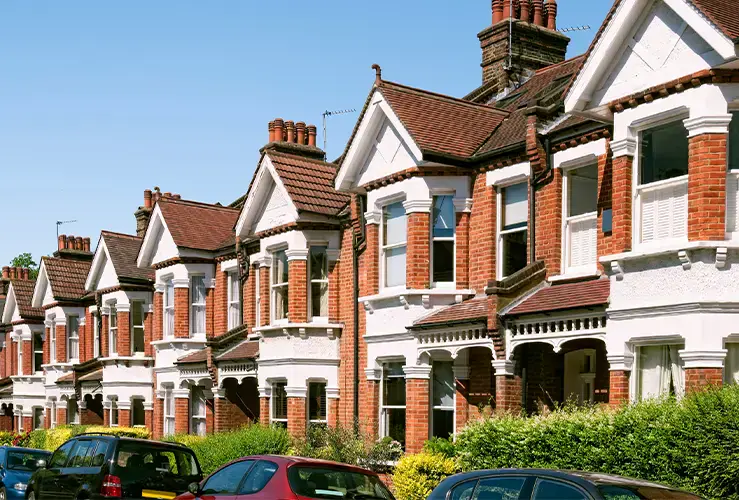
Half of UK households had no car at all
Back in the early 1970s, almost 50% of UK households had no car parked in their driveway - instead relying on public transport or good old-fashioned Shanks’s pony.
Families that did have car access generally only owned one car, and in many working class households, having a car at all lay somewhere between a necessity and a luxury.
Many parts of the country were geared towards limited car ownership; bus and train routes were more widespread with more services, and the local high street was much more central to day-to-day life.
While the introduction of the car expanded personal freedom, a lot could still be done without one. As such, the car was not a major factor in the UK cost of living in the 1970s.
How car ownership became central to the increasing cost of living
The following table demonstrates just how central running a car has become to the UK’s cost of living crisis, with 78% of households now owning a car, compared to 52% in 1971.
UK household car ownership | 1971 | 1975 | 2024/26 |
Households with no car | 48% | ~40% | 22% |
Households with 1 car | ~44% | ~45% | 44% |
Households with 2+ cars | 8% | ~15% | 34% |
Cars per 100 households | ~52 | 73 | ~120 |
The car is key to life in 2026
Today, the picture has changed dramatically. The personal motor vehicle is now deeply embedded in how the UK functions. There is an assumption of car ownership throughout society - from commuting patterns to suburban housing, retail parks to school runs.
In many areas of the UK - especially those located outside major cities - the personal motor car is no longer seen as optional (at least, not if someone wants to have access to work and leisure pursuits).
This major shift has changed how rising motoring costs are experienced.
In some ways, owning a car today isn’t much different, cost-wise, than decades ago.
A typical new family car in the early 1970s might have cost around £1,200 when average annual earnings were roughly £1,800 per annum. In 2026, a mainstream new car may cost £30,000 against average earnings of around £37,000.
So, relative to wages, buying a new car has not become dramatically easier - but it hasn’t gotten noticeably more costly either.
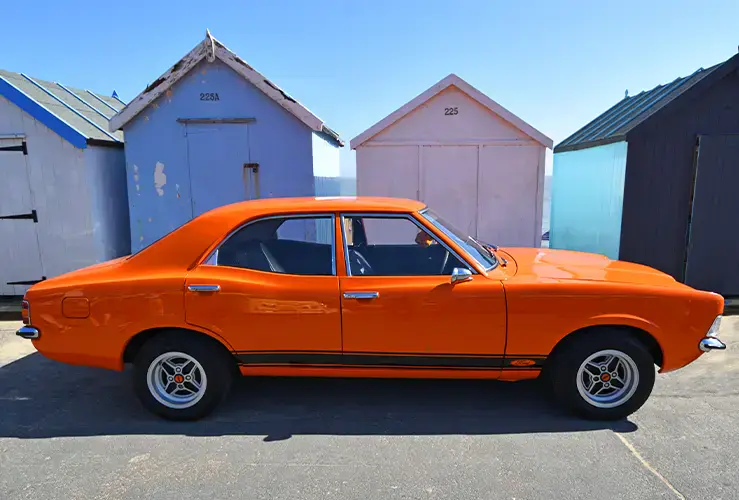
Image credit: harlequin9 - stock.adobe.com
Running costs: 1970s vs now
It’s also a mixed picture as regards running costs. Fuel prices in the 1970s were much, much lower in cash terms, but cars were also much less efficient. A common family saloon (like a Ford Cortina) might only return 22 to 28 miles per gallon, while a modern hatchback can comfortably exceed 50 mpg.
This doubling of fuel efficiency is a testament to how well modern car engines are designed.
And a vehicle built in 2026 is likely to last much longer than a comparable vehicle in the 1970s. It’s now the norm for a vehicle to exceed 150,000 miles with good maintenance, something far less common half a century ago.
But looking at stats like these is not enough to explain what running a car feels so financially onerous in 2026.
Insurance: The annual dent in your finances
Insurance is perhaps the clearest example of a painful cost that seems to go up each year.
In the 1970s, annual insurance was pretty cheap - because cars were simple to repair.
However, today’s cars are bristling with sensors, cameras, radar systems and expensive body components. Even a little tominor prang can cost thousands to fix.
Understandably, insurers pass those costs directly to drivers like you, via soaring premiums.
And so, while insurance was once an expense that most found fairly easy to manage, today it is a massive source of anxiety for many drivers - especially younger ones, due to their higher risk rating.
Petrol pump pressures
Fuel prices also have an outsized psychological effect. Unlike rent or council tax, motorists are confronted with fuel costs on a constant basis. The numbers are displayed in giant illuminated signs on roadsides, updating weekly or even daily. As drivers we tend to absorb those increases in real time, ratcheting up the financial pressure.
Even though modern cars are twice as efficient as in the 1970s, the emotional experience of watching pump prices rise creates a constant sense of instability.
The monthly car finance payment
And of course, how we pay for our cars has changed vastly in the last few decades.
In the 1970s, many families bought second hand vehicles outright and kept them on the road for years, repairing them as needed. In those days, expectations were lower, and ownership was considerably simpler.
Today, many new cars are bought via personal contract purchase agreements and leasing schemes. Many households have become accustomed to permanent monthly payments that never fully disappear. This can create a sense that drivers are renting access to personal transport.
Ultimately, ongoing car finance payments can add to the feeling that the cost of living has increased.
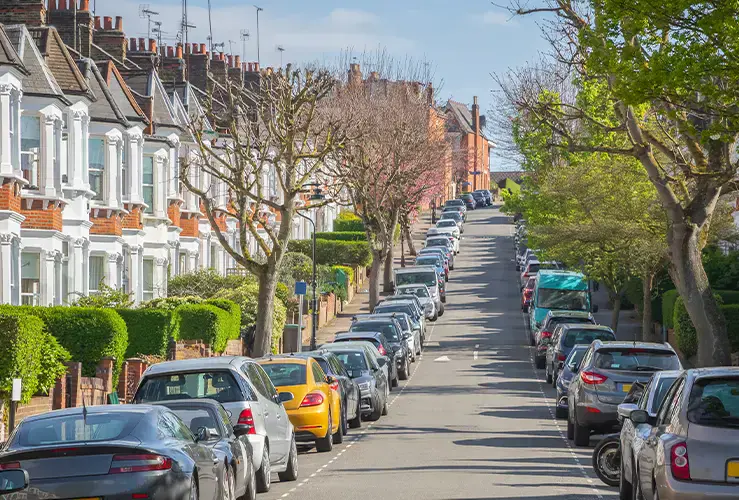
Multi-car households are much more common
At the same time, the rise of multi-car households has transformed the scale of spending for many Britons. In 1971, only around 8% of households had two or more cars. In 2026, more than a third do. Britain has moved from roughly one car for every two households to more than one car per household overall.
So even if each individual vehicle is very fuel efficient and rarely breaks down, the overall cost of paying for 2 or more cars can feel overwhelming.
Is motoring actually easier than ever?
In some ways, modern motoring has become objectively easier. Cheap used cars today are safer, more reliable and more comfortable than many brand-new cars from the 1970s. Breakdowns are less common, engines last longer, and long-distance travel is a lot less exhausting than it once was - all thanks to better design, engineering, and manufacturing processes.
Cars are essential - but costly
And yet for some of us, car ownership can feel more fragile - and more stressful.
That’s because the car has become central to family life. A modern household may rely entirely on cars to access work, education and daily life, while simultaneously facing fuel volatility, rising insurance premiums, expensive repairs and endless finance payments.
No longer just a shiny status symbol for getting from A to B, the modern car has become a permanent financial obligation.
This is why so many drivers feel a jolt of anxiety when they pass the petrol station signs and notice the numbers climbing. The worry is not simply about one tank of fuel. It reflects a broader fear that the cost of staying mobile - and being able to participate fully in modern life - is, steadily, becoming more difficult to bear.
And set against the overall increase in the cost of living - rent, energy, food to name a few - the cost of keeping a car (or cars) outside your home is even more acutely felt.