

The cost of getting car insurance and taxing a car are both impacted by government budgets and policymaking. Learn how they affect your annual motoring budget, with our guide.
If you’re of a certain age, you’ll recall that owning and running a car used to be simpler and cheaper.
Today, however, the cost of simply keeping a car parked outside your home can be substantial.
Taxes based on emissions
A whole host of environmental and safety regulations have been established in recent years, all of which add costs to both carmakers and motorists. For example, in the 1990s there were no emissions-based taxes like today’s CO2-based car tax: if you had a bigger engine, you just paid a little more.
There were also fewer safety checks, which meant lower ongoing bills.
Cover got complex
Sorting out insurance, too, was a much easier affair, with straightforward premium bands. Getting cover was also cheaper, mainly because cars were simpler so fewer things could go wrong (think multiple electronic systems, some of which require software updates to function).
If you’re new to driving, it can all feel a bit overwhelming.
However, it’s a good idea to understand the various factors that influence costs, so you can better stay on top of your motoring outgoings.
How does government policy shape car ownership costs?
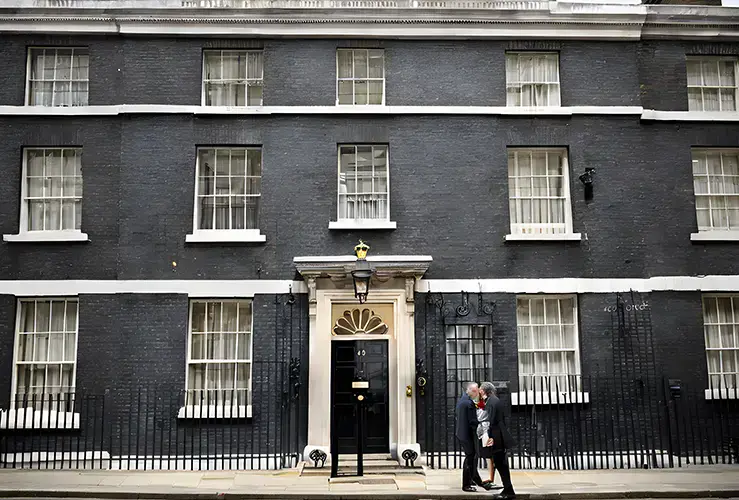
Government policies directly affect how much you pay to own and operate a car. Key levers include the cost of taxing a car, environmental levies, and changes to insurance requirements. For example, in recent years, the UK has adjusted car tax rates based on CO2 emissions, creating financial incentives for cleaner vehicles, particularly electric models.
This means that taxing your car is no longer a simple fixed fee; it depends on the type of fuel, engine size, and environmental performance. EV owners, for instance, have paid less to tax vehicles, while high-emission petrol and diesel vehicles have faced higher rates.
However, it should be noted that even EV owners started paying road tax last year, at £10 for the first year of ownership (registered new) and £195/£200 for each subsequent year (it costs £200 per annum from April 2026, after the first year).
Understanding car tax and its impact on you
Car tax is one of the most visible costs of keeping a car on the road. Technically called Vehicle Excise Duty (VED), it is influenced by multiple government decisions each year.
Car owners often pay attention to budget announcements, because they usually include changes to taxing a car, such as increases in first-year rates for high-emission vehicles or adjustments to thresholds for the expensive car supplement (this year the threshold increased to £50,000 lifting many mid-priced cars out of the tax bracket- a rare bright spot).
How these changes can affect your car-related costs:
- High-emission car owners may face steep yearly fees (especially in the first year).
- Electric or hybrid vehicles may enjoy lower long-term costs.
- Drivers who buy a brand-new vehicle must factor car tax into their overall budget.
If you want to calculate or check car insurance alongside taxes, online comparison platforms make it easy to do so. You can then work out total costs before making a final decision on which model to buy.

Factoring insurance into your car budget plans
Insurance is another critical, and unavoidable, factor affecting your driving costs.
You are legally required to have valid coverage, but premiums can vary widely based on your age, location, driving history, and vehicle type. It’s a good idea to keep on the lookout for what cheap car insurance UK providers might be able to offer.
Sorting out your insurance usually starts with insurance quotes. Comparing quotes allows you to identify policies that provide sufficient coverage, at a price that suits your budget. After selecting a policy, it is advisable to check car insurance details on an annual basis, and certainly if your circumstances change (e.g. if you move house or buy a different car), since both market trends and regulatory updates can affect offered premiums.
Budget changes - and their indirect effects on you
The government’s budgets affect how much it costs to drive beyond taxes and insurance. For instance, how much money is set aside for road infrastructure, congestion charging systems, and environmental schemes indirectly affect how you spend as a driver.
Indirect costs include:
- Increases in fuel duty or road tolls
- Initiatives to reduce emissions can raise vehicle prices, as manufacturers need to comply with stricter environmental standards
These kinds of policy changes often target high-emission vehicles, with a view to reducing pollution and improving public health. However it may increase upfront costs, impacting how easy it is to get cheap car insurance in the UK or to tax vehicles.
How policy adjustments influence your insurance costs
Policy changes affect how car insurance premiums are worked out by providers, which of course, directly affects your finances as a motorist. Regulators can introduce measures like:
- Mandatory telematics or black-box insurance for younger drivers
- Adjustments to how insurers calculate risk based on traffic fines, accidents, or even urban congestion
- Incentives for safer vehicles e.g. those equipped with things like advanced driver assistance systems
These factors can directly impact what you as a driver might pay for coverage. Many motorists find that reviewing insurance quotes after policy changes helps them secure better deals and, moreover, avoid unexpected cost increases.
Strategies to control rising motoring costs
While budgets and policies are basically out of your control, there are ways to stay on top of expenses:
- Compare and shop around: Using a number of different platforms to check car insurance can uncover lower rates and flexible policies. Also remember that some providers are not featured on comparison sites.
- Choose your vehicle wisely: Opting for a low-emission or smaller vehicle can reduce both car tax and insurance premiums.
- Look for discounts: Bundled policies, no-claims bonuses, and telematics insurance can all help reduce costs.
- Plan for possible annual changes: Keeping track of government announcements about taxing a car or new motoring regulations can prevent surprises in your budget. Also look out for announcements that suggest the government is considering a policy change.
- Think about payment schedules: Some insurance providers offer monthly payments, which can make budgeting easier while still ensuring coverage (however, doing this might cost more than paying annually).
By combining these strategies, you should be able to reduce the financial impact of government policies and market shifts if, or when, they happen.
Motoring costs: What does the future hold?
Looking ahead, several trends may influence the budgetary impact of driving in the UK:
- Electric vehicle adoption: As EVs become more common, the government may adjust vehicle tax rules, offering incentives for sustainable driving (note that zero-rated tax on EVs has now ended).
- Digital insurance tools: The rise of telematics and AI-driven underwriting could make it easier to secure cheap car insurance in the UK, while still accurately reflecting individual risk.
- Environmental regulation: Stricter emissions rules and urban low-emission zones may increase costs for older, high-emission vehicles, affecting taxing a car.
Staying informed and proactive will mean you are well positioned to navigate these changes. Monitoring both policy announcements and insurance markets ensures you can make informed choices - that keep your costs to a minimum.
Conclusion
Motoring costs in the UK are shaped by a complex interplay of government budgets, policy decisions, and market forces. The cost of taxing a car and getting car insurance both vary based on regulatory and economic factors, so as a motorist it’s a good idea to actively seek ways to rescue these expenses.