



Dead car battery-related breakdowns are just as common today as decades go. That’s because modern car batteries have a lot more to do than those in older cars - from receiving software updates to heating your seats to keeping the infotainment system going. Learn how to stop your car battery going flat, and signs your car battery is dying, with our guide.
Back in the 1980s, the average car didn’t ask much from its 12 volt battery: it started the engine, made sure the headlights and dashboard lights worked, and that the radio could keep blaring out Steve Wright in the Afternoon.
In top-end models, it might have kept the alarm system ticking over, or had to deal with occasional electric window usage.
But at night, the car would basically sit dormant, drawing virtually no current from the battery.
In short, a 1980s car battery was a bit like a donkey: Simple, hard-working, but required regular manual top-ups with (distilled) water to keep going. And if exposed to extremely low temperatures, or overworked, it might need to be, well - replaced.
The modern car battery is a different animal
The battery in your car today is more like a Shire horse: massive, powerful, and built for heavy, relentless pulling power day in and day out.
That’s because since the 1980s, cars have had more and more electrical systems and CPUs added to them. The average modern car has a lot more to do - and it needs a battery to match.
More electronics than ever
Older cars had relatively simple electrical systems. As mentioned, the battery's main job was to start the engine, power the headlights, operate the radio, and run a few dashboard lights. Once the engine was running, the alternator supplied most of the vehicle's electrical needs.
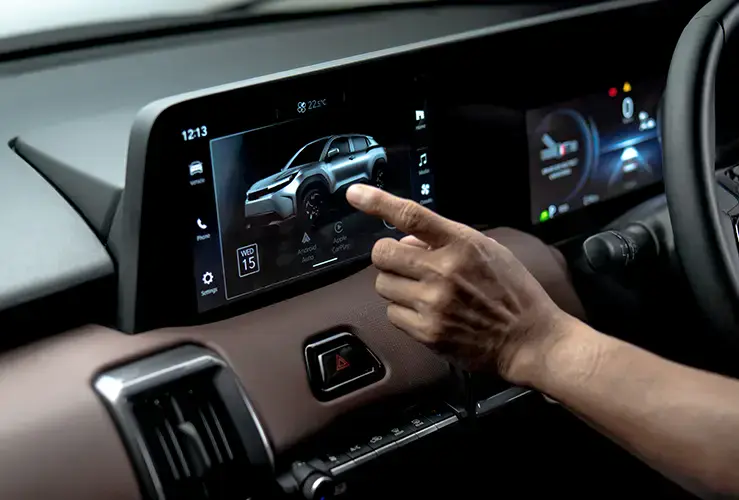
Modern cars are completely different. An average family car might contain more than 50 electronic control units (ECUs) that constantly monitor and control everything from engine performance and automatic transmissions to parking sensors, climate control, advanced driver assistance features, and infotainment systems (especially if used when the engine is off).
Each of these systems places additional demand on the battery, meaning a dead car battery is still very much a possibility.
Start-stop technology increases wear
More recently, one of the biggest changes has been the widespread adoption of automatic start-stop systems.
Such systems are designed to reduce fuel consumption and emissions, and to this end automatically switch off the engine when the vehicle stops in traffic, and restart it moments later.
Where an older car might start its engine just a handful of times each day (which was an admittedly sudden and huge drain on the battery), a modern start-stop vehicle may restart the engine dozens of times during a single commute.
This repeated cycling places much greater stress on the battery, which is why manufacturers now use enhanced battery technologies such as AGM (Absorbent Glass Mat) or EFB (Enhanced Flooded Battery).
Constant background power consumption
Even when parked, modern cars rarely switch off completely.
Many continue operating security systems, keyless entry receivers, alarm systems, telematics modules, GPS tracking, and remote communication services. Some regularly "wake up" to check for software updates or maintain communication with connected mobile apps.
Although each system uses only a small amount of electricity, together they create a continuous drain - a drain that older vehicles simply didn't have.
Shorter journeys make matters worse
Many drivers now make frequent short trips - school runs, supermarket visits, or commuting just a few miles.
Starting the engine requires a large burst of electrical energy. If the journey isn't long enough, the alternator may not have sufficient time to fully recharge the battery before the engine is switched off again.
Repeated undercharging gradually reduces battery health and can significantly shorten its lifespan. In short, a consistently well-charged car battery is a healthy battery.
Extreme temperatures have a bigger impact
Modern batteries already operate under greater electrical demand, making them more vulnerable to extreme weather.
Cold temperatures reduce a battery's ability to deliver power precisely when engines require more energy to start. Hot weather, meanwhile, accelerates internal chemical ageing and increases water loss - both of which reduce battery life.
Combined with today's higher electrical loads, temperature extremes can lead to unexpected battery failures.
But in truth, car batteries from decades ago also struggled in extremely high or low temperatures - it’s just that modern ones have a lot more to do.
Batteries are more advanced - but also more stressed
Carmakers have worked hard to improve their battery systems in order to keep up with demand. AGM and EFB batteries are specifically engineered to withstand deeper cycling and frequent engine restarts.
However, these improvements don't mean batteries last indefinitely. In many cases, they're simply coping with much greater workloads than previous generations ever experienced.
My car battery is dead: What should I do?
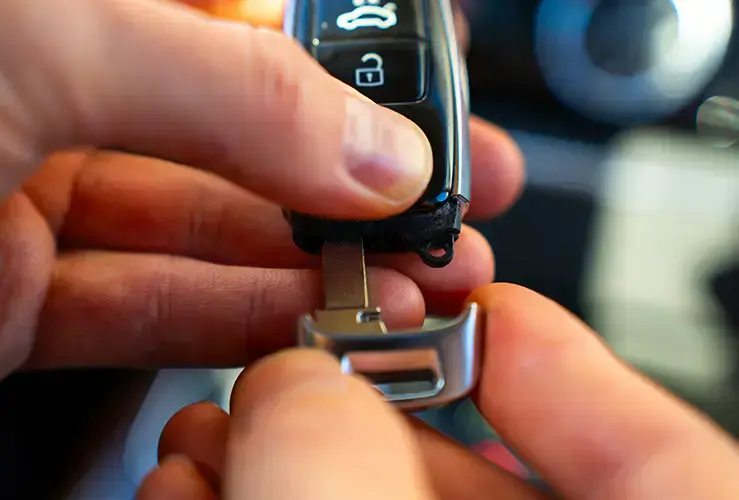
If your car battery is dead, you can regain entry into a keyless vehicle by extracting the hidden mechanical key blade from your fob and popping off the plastic cover on the driver's door handle to access the manual lock cylinder.
Once inside and the bonnet is popped, the fastest fix is to jump-start the vehicle using jumper cables or a portable booster pack. When using cables, connect the positive terminals together first, then attach the final negative clamp to an unpainted metal grounding point on your car's chassis rather than the dead battery terminal.
Alternatively, connecting a plug-in smart battery charger is the safest option for modern AGM or EFB units. Once the engine starts, you must drive the vehicle continuously for at least 30 to 45 minutes to allow the alternator to replenish the charge.
If you do not have jumper cables, lack a donor vehicle, or feel uncomfortable handling modern vehicle electronics, you should call a breakdown recovery service (such as startrescue.co.uk). Recovery technicians carry heavy-duty diagnostic tools and specialised booster packs that can safely start your engine without risking expensive voltage spikes to your car's onboard computers.
My car battery keeps dying
If your car battery keeps dying, or your car battery is not charging, it usually means you have a worn-out battery that can no longer hold a charge, a faulty alternator failing to replenish it, or a "parasitic drain" like a stuck boot light or dashcam secretly siphoning power overnight. Your first step is to a local garage or auto parts shop for a quick, five-minute diagnostic test to check the electrical health of both the battery and alternator.
If the hardware passes the test, your driving habits or a hidden electrical fault are likely to blame. Modern cars require prolonged driving to top up the battery, so regular short trips under 15 minutes will leave it chronically undercharged.
Signs your car battery is dying
Here’s a run-down of the most common signs a car battery is dying.
Sign | What You'll Notice | Possible Cause |
Slow engine cranking | The engine turns over slowly before starting. | The battery is losing power. |
Clicking when starting | You hear a clicking sound instead of the engine starting. | The battery doesn't have enough charge. |
Battery warning light | The battery light appears on the dashboard. | A battery or charging system fault. |
Dim headlights | The headlights seem less bright than usual. | The battery isn't supplying enough power. |
Electrical issues | Electronics work slowly or behave erratically. | A weak battery affects electrical systems. |
Engine won't start | The car won't start or is completely unresponsive. | The battery may be flat or failed. |
Frequent jump-starts | The battery often needs a jump-start. | It can no longer hold a charge. |
Battery over 3–5 years old | The battery is several years old. | It may be nearing the end of its life. |
Corroded terminals | White, blue, or green deposits on the terminals. | Corrosion can reduce electrical flow. |
Swollen battery case | The battery looks bloated or damaged. | Heat or internal damage has affected the battery. |
Looking after a modern car battery
Battery failure can’t always be prevented - indeed, it remains one of the most common breakdown causes among UK motorists. But your battery’s lifespan can be extended by doing the following:
- Take longer journeys when you can - to allow a full recharge.
- Avoid leaving electrical accessories running unnecessarily.
- Keep battery terminals clean and secure.
- Use an appropriate smart charger if the vehicle isn’t driven often.
- Replace the battery with the correct specification recommended by the manufacturer.
The day of the “donkey” car battery may be over, but today’s “Shire horse” batteries need just as much TLC - if not more.