

Buying a car on Marketplace? Most used vehicles listed on Facebook’s popular platform are offered by genuine sellers, but buyers should still be aware of common scams, hidden vehicle problems and the reduced legal protections that come with private sales.
According to Santander, Facebook car scam cases rose by 87% in 2023, year-on-year, with more than £480,000 lost by affected buyers during the first nine months of the year.
Scammers are drawn to Marketplace because they gain access to millions of potential victims, and it’s free, easy and quick to create an ad.
But while there are risks, Marketplace remains a powerful platform for buying a used car, simply because so many people use it.
Why is Marketplace so popular for buying and selling used cars?
Buying a used car on Facebook Marketplace has become hugely popular in the UK, chiefly because there are no listing or final value fees.
This lack of fees means there’s no middleman - nobody taking a slice of the profits (as happens on many other selling platforms).
Facebook Marketplace also makes it easy to find cars for sale near you; your next set of wheels might be a few streets away, or in the next town.
Indeed, because 38 million Britons use Marketplace, there’s a high chance that if someone nearby wants to sell their car privately, they’ll do so on Marketplace.
Another major advantage of buying (or indeed selling) a car on Facebook Marketplace, is that you get to deal directly with the seller. You can check out their Facebook profile and gauge how legitimate the seller seems (unlike with the anonymous sellers you find in classified ads).
Marketplace makes it easy to connect with sellers and ask questions about the vehicle for sale - since communication takes place through FB’s Messenger system.
One key drawback, however, is that there are no guarantees or legal fallbacks - as you would get with a traditional dealership.
With this in mind, it's important to be aware of potential ‘red flags’ when buying a used car on this hugely popular platform.
In this article we’ll show you how to buy a used car on Marketplace - safely.
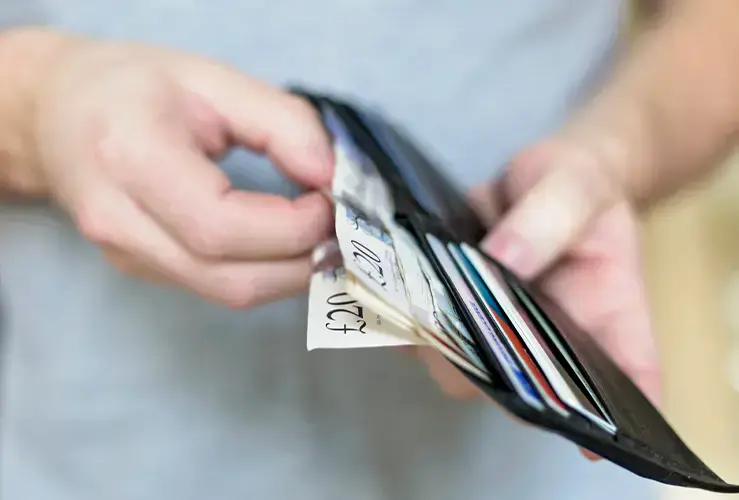
Prices that seem too good to be true
Ah, the old classic. If the car’s price is too low, there’s likely to be a problem that isn’t immediately obvious. Sadly, scammers advertise below-market prices to pique your interest.
That’s not to say there aren’t bargains on Marketplace - just that it’s better to tread with caution if a price seems too small.
The ad might be fake - and the scammer may disappear after receiving a deposit.
The seller might also be impersonating someone else, or trying to sell a stolen vehicle.
Otherwise, there may be hidden issues with a vehicle - issues that aren’t immediately obvious after a cursory inspection.
Offering a car at a low price gets the eyeballs needed to find a victim.
If you see a car with a suspiciously low price tag, search for similar models and see what they’re selling for. And always double check the description for any defects or problems.
Ultimately, to buy a used car with real peace of mind, the price should be realistic.
Sellers who avoid questions
Questions to ask when buying a used car include:
- Can I view the car and the physical V5C logbook at your home address?
- Does the car have a complete service history, and can I see the receipts?
- Are there any mechanical issues, warning lights, or upcoming maintenance needed?
- Why are you selling the vehicle, and how long have you owned it?
Take note if a seller is a little vague when quizzed about ownership, service history, or mileage, if they’re reluctant to provide the registration number or VIN.
It’s a good idea to get their number so you can call them directly and ask questions - you should get a much better idea of how trustworthy they are, or if they are trying to evade certain questions. “Holes in their story” are easier to identify on a phone, as opposed to through Messenger.
An in-person meeting is likely to give you an even better idea of how accurate their advert is (although a phone call may be enough to put you off).
In short, there are critical questions to ask about buying a used car - and you should feel free to ask them.
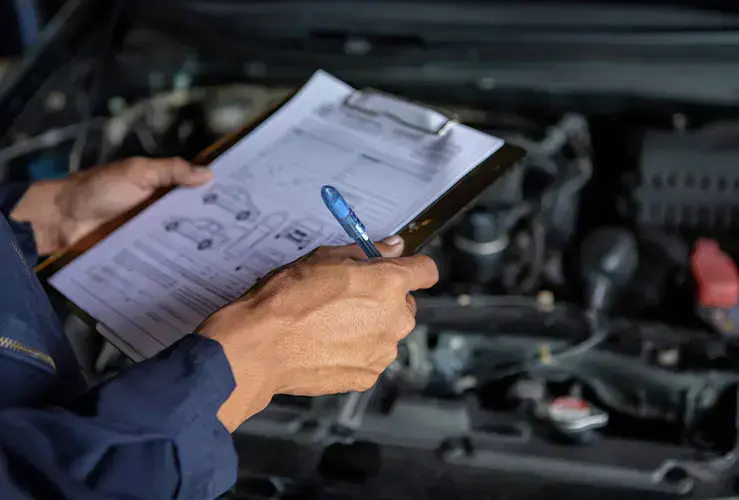
Missing or incomplete vehicle history
Before parting with your money, be sure you’ve verified the MOT history. Use the government’s MOT checking tool to do this.
It may also be worth carrying out a vehicle history check (commonly called a HPI check).
Financial status: A check will reveal if a vehicle has an active finance agreement (such as HP or PCP) connected to it. If the previous owner defaults on their payments, the finance company can legally seize the car from you. Not good.
Stolen status: A HPI check will also tell you if the car has been reported to the Police National Computer as stolen.
Insurance write-offs: Doing a check will also tell you if the car was severely damaged in an accident, and deemed an insurance write-off. It will show the category (A, B, S, or N) depending on how bad the damage is. Only S and N categories can be repaired and returned to the road.
Mileage discrepancies: A check will include comparisons with past MOT and service records, which will identify "clocking" (odometer tampering).
Registration & ownership history: You’ll also find out the number of previous keepers, the date of the last V5C (logbook) issue, any recorded plate/colour changes, and, last but not least, whether the car was previously imported or exported.
A proper HPI/ vehicle history check will come at a cost. Any websites that offer free HPI checks could be scams, or offer incomplete information.
Real HPI sites have to pay to access police and insurance databases, which is why you’ll be charged a fee.
When asking - how do you buy a used car on Facebook safely? - MOT and vehicle history checks are among your most useful tools.
Evidence of accident damage
If you decide to take a look at a particular car, keep an eye out for uneven paintwork or panel gaps - as these suggest there’s been some sort of accidental damage.
Also watch out for new parts in an otherwise old vehicle.
A seller may not disclose previous write offs - and even premium HPI checks can miss them due to recording delays and loopholes.
For example, if a driver is involved in an accident and only has Third Party Insurance, they may decide not to tell their insurer (which would spike premiums) and get the damage repaired by themselves. Because there has been no official record “total loss”, no write off will have been recorded.
It’s also possible for an insurer to forget to upload write-off information to the Motor Insurance Anti-Fraud and Theft Register (MIAFTR), or encounter some other sort of administration error. It’s worth noting that MIAFTR is a voluntary database - insurers are not legally required to add information to it.
Mileage doesn't match the car's condition
If you view a car that has relatively low mileage, make sure the car’s appearance tallies with this figure. For example, a car with only 20,000 miles on the clock is unlikely to have excessive wear on seats, pedals, and steering wheel.
Also ensure that the claimed mileage matches the MOT records.
Examine the dashboard for signs of any physical tampering (tool marks, misaligned panels, mismatched screws, or crooked digits).
Pressure to buy quickly
If a seller is very keen to make a sale, alarm bells should be triggered. Be alert if the seller uses phrases like "Lots of people are interested", or asks for a deposit straight away.
If they are a genuine seller, they’re unlikely to get upset about you making reasonable checks.
Refusal to meet at the registered address
When viewing the car, be sure you can do so at the registered address, which strongly suggests the seller is legit, and is who they say they are (not a transient or anonymous person).
Knowing the seller's address means you would be able to serve small claims court papers if the car turns out to have been inaccurately described.
However, if the person doesn’t look comfortable at the address, or loiters around the gates, it could be a sign that something is amiss.
Conversely, meeting in a public place means the seller can disappear promptly. Criminals selling stolen vehicles will only meet in places like supermarket car parks or laybys.
Of course, turning up in a public place with a wad of cash makes you a potential target for robbery.
The bottom line is - you must ensure that the seller actually owns the vehicle and has the right to sell it. When it comes to how to buy a used car safely, dealing with the seller at the registered address is critical.
Missing paperwork
Another classic red flag is a missing V5C logbook - or concerns over the legitimacy of one that does exist. Missing service records, manuals, receipts and maintenance history are also serious causes for concern.
Signs of outstanding finance
Some unscrupulous sellers may attempt to sell a vehicle that still has outstanding finance. If they default on remaining payments, the finance firm would have the legal right to seize the vehicle. A HPI check should be able to confirm whether or not there are any outstanding finance agreements.
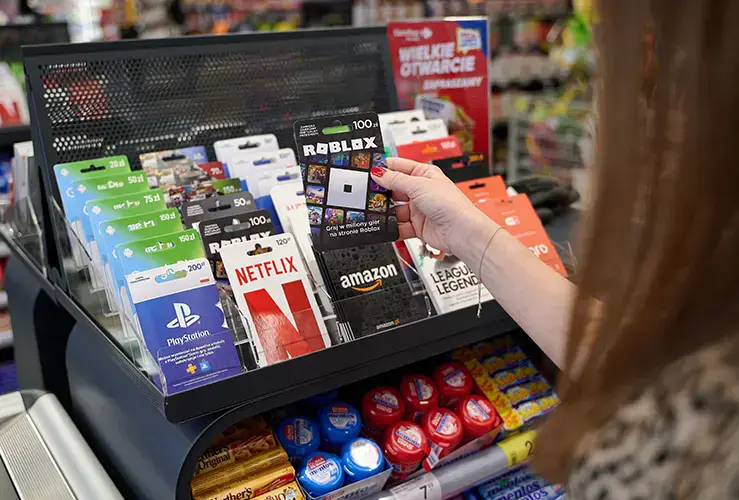
Image credit: sebastiangora - stock.adobe.com
The seller requests an unusual payment method
The truth is that most car sales on Facebook Marketplace involve cash - especially for low to mid-value vehicles. There has been a huge rise in the use of fake banking apps in recent years - so many people prefer this good old-fashioned payment method.
As a buyer, paying with cash comes with some risks. As mentioned, you might get robbed - unlikely but possible.
Additionally, there is no way to get the money back if the car turns out to be a dud, cloned or stolen.
On the other hand, sellers like cash because there’s no chance of a chargeback (the buyer might claim their account was hacked for example - rare but possible).
Sellers might also want cash to help side-step paying tax (no banking records), or to avoid the risk of counterfeit notes.
If relying on Faster Payments, ensure the funds have cleared (and are not just ‘pending’).
Ideally, you would complete the transaction inside a bank (where CCTV gives you some security). From the seller’s viewpoint, cash can also be counted and checked for counterfeits by bank staff.
Crypto/gift card scams
Any mention of payment by gift cards (Amazon, Apple etc.) or cryptocurrency should trigger alarm bells: avoid these sellers at all costs, no matter what “sob story” they proffer.
You can't properly test drive the vehicle
Taking used cars out for a test drive is critical, since it may reveal running problems that aren’t obvious from a stationary inspection.
If the seller dissuades you from taking it for a test drive, it’s unwise to proceed with the sale.
Additionally, if they are unwilling to accompany you for the test drive, they could want to avoid the embarrassment of you discovering a fault or issue (arguably extra embarrassing when sitting beside you in the cabin).
Common excuses include the car having a flat battery or having no fuel. They may also suggest the brakes have seized after sitting for a long period.
Test-drive tips:
- Drive the car for 15-20 minutes - enough time for any issues to become apparent
- Ensure the bonnet is cold before you set off - some sellers may have driven the vehicle before you arrived in order to conceal a smoking exhaust, rough idle or failing starter motor.
- Check dashboard for warning lights when starting up
- Ensure steering, transmission, clutch, brakes and suspension are all working well.
- Listen for cabin noise and vibrations
- Afterwards, check under the vehicle for any leaks
- Check that the air con, heating, electric windows and wipers all work
Marketplace scam tactics to watch for
Fake escrow services
Fake escrow scams work by enticing buyers with underpriced cars and fake transport arrangements, and by refusing any in-person viewings. The fraudsters then use spoofed emails and cloned corporate branding in order to trick you into sending irreversible payments to a fake third-party account - before vanishing completely.
Deposit scams
Deposit scams on Facebook Marketplace trick you into paying a holding fee to "secure" a highly desirable car - before you have even seen it. The scammer exploits your fear of missing out on a great deal (note a very low asking price), takes your money, and immediately deletes their account.
Sellers claiming to be overseas
Scammers might claim to be overseas to create a plausible excuse for why you cannot inspect the car, meet them in person, or pay via a traditional method. This geographic distance helps conceal the fact that the vehicle does not exist.
Final checklist before you buy a used car
- Check the MOT history
- Verify the VIN and registration
- Review service records
- Consider a vehicle history report
- Take it for a test drive
- Arrange an independent inspection if needed
- Never rush the purchase
How do you buy a used car? - More information
Want more information on purchasing a second hand car? Read our buyer’s guide to buying a used car.
Conclusion
Despite the various pitfalls and scams of buying a used car on Facebook Marketplace, most listings and sellers are actually genuine.
But carrying out a few simple checks can help you avoid making a costly mistake.
Spending a few pounds on doing a HPI check could save you thousands down the line.