

Changes are afoot for UK motorists this year. Most will involve an increase in driving costs, but some, such as proposed eyesight tests for older drivers and stricter drink driving limits (including proposed zero-limit rules for new drivers in the UK), should help improve on-the-road safety for us all.
Learn about what’s driving UK law/rule changes in 2026…
Key points:
- VED (road tax) will now rise with inflation, and electric vehicle owners will pay VED at the standard rate (£200).
- Learner drivers will only be able to make 2 changes to test bookings. They will soon only be able to do this themselves, and rebookings must be at a nearby test centre.
- The daily London Congestion Charge in Central London will rise from £15 to £18.
Driving laws UK: Here’s an at-a-glance table of changes and proposed changes:
What’s changing? | When is it happening? | Who does it affect? |
Higher first-year tax for high-emission petrol/diesel cars | 2026 | Buyers of high-emission petrol/diesel vehicles |
Electric vehicles (EVs) now taxed like other cars | 2026 | EV owners |
Expensive Car Supplement threshold rising | 2026 | Buyers of higher-value vehicles (especially some EV owners) |
Driving test changes: Stricter driving test booking rules (limits on changes, learner control, fewer centre switches) | March - June 2026 | Learner drivers |
London congestion charge increase & reduced EV discounts | 2026 | Drivers in London (especially EV drivers) |
New Euro 7 emissions standards | Late 2026 | Car manufacturers & buyers of new cars |
Speed limiters (ISA) standard in new cars | 2026 | Buyers of new vehicles |
Increased use of ANPR cameras | 2026 (ongoing rollout) | All drivers |
Possible lower drink-driving limit (80mg to 50mg) | Not confirmed (proposed) | All drivers in England & Wales (especially new drivers) |
Possible near-zero drink-drive limit for new drivers | Not confirmed (proposed) | New drivers |
Possible mandatory eyesight tests for over-70s | Not confirmed (proposed) | Older drivers (70+) |
Seatbelt offences may carry penalty points | Not confirmed (proposed) | All drivers and passengers |
Alcohol interlock devices for repeat offenders | Not confirmed (proposed) | Convicted drink drivers |
Mandatory safety tech (e.g. autonomous emergency braking) | Not confirmed (proposed, late 2020s direction) | Car manufacturers and new car buyers |
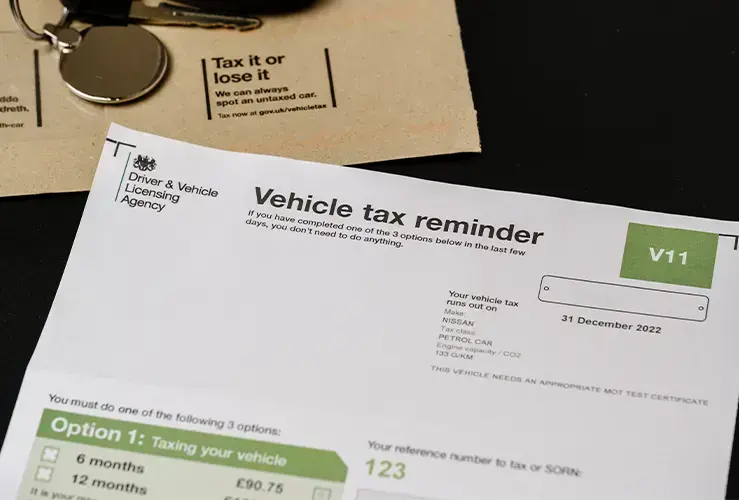
Image credit: Ascannio - stock.adobe.com
VED (road tax) changes in 2026
VED set to rise with inflation
From April 1, VED (aka Vehicle Excise Duty or road tax) will rise in line with inflation.
On the same date, the first-year tax paid on some new high-polluting diesel and petrol cars will rise significantly, with the most polluting models attracting a first-year charge of up to £5,690.
Vehicles emitting more than 255g/km of CO2 will be most affected, but because the system is tiered, the more polluting a vehicle is, the more tax will be due.
After the first year, motorists will be charged the standard first-year rate, which for cars registered after 1 April 2017 is £200, up from £195.
Electric vehicles will pay VED from April 1 2026
One of the biggest changes this year relates to EVs, which for the first time will be charged VED at the standard rate of £200, up from £195.
Driving test changes (bookings): March 31 onwards
Only 2 booking test changes permitted from March 31
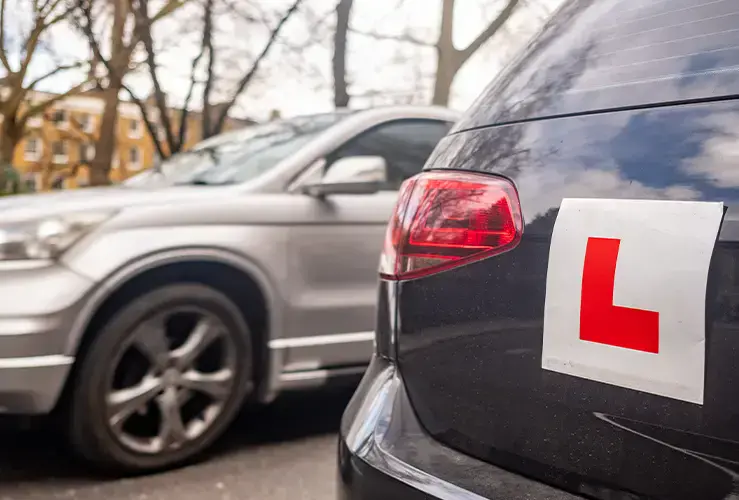
Those planning to book a driving test will face tougher rules from March 31, when only two changes to a test booking are permitted.
If someone needs to make any further driving test changes, they must cancel the test and restart the booking process. However, it will still be possible to get a full refund, but only if the cancellation happens at least 10 days before the original test date.
From March 31, all candidates will be able to make a maximum of two changes to their booking. This is down from the previous maximum of six changes.
What counts as a test booking change?
Changes to test date or time, switching to a different test centre, or swapping a test booking with another driving student will all be counted as "changes".
Why are the changes happening?
The move is designed to stop bots and resellers from booking up slots, hoarding them, and then selling them on to real learners at inflated prices.
Only learners can book tests from May 12
From May 12, only learners will be permitted to book and manage any test bookings. This means instructors and third parties will no longer be able to make bookings on behalf of learners.
Why is this change happening?
This driving test change is also to stop bots and resellers from booking and selling slots at inflated prices.
Only 3 nearest test centres can be booked from June 9
From June 9, learners will only be able to reschedule tests at one of the three nearest test centres to their original booking.
This is to help cut waiting times and make accessing tests easier. There have been long waiting lists since the Covid-19 pandemic.
Other motoring rule changes in 2026
Expensive Car Supplement threshold rises
One of the few bright spots relates to the Expensive Car Supplement threshold, which will rise from £40,000 to £50,000.
This means many more mid-priced EVs will side-step the annual charge of £425.
EV Benefit-in-Kind tax rise
For those who drive company cars, the EV Benefit-in-Kind tax rate will rise from 3% to 4%. While this rise might be unwelcome, it's still considerably lower than the equivalent rates for petrol and diesel company vehicles.
Congestion Charge (London) increases
The daily Congestion Charge for driving in central London will rise from £15 to £18, in the first rise since 2020.
Additionally, the 100% Congestion Charge discount for EVs will be replaced with a 25% discount for cars, and a 50% discount for electric vans, quadricycles and HGVs.
However, drivers who live within the Congestion Charge zone will continue to receive a 90% Congestion Charge discount.
The Congestion Charge increase is one of the most notable changes to England’s road rules this year.
New emissions standards (Euro 7)
From November 2026, new cars must meet stricter pollution rules, in the form of Euro 7. This is to help cut pollution.
ANPR used more widely to find untested or untaxed cars
Police and other authorities will be using automated numberplate recognition (ANPR) to identify untaxed vehicles and/or vehicles without an MOT. Advances in the technology will make such checks more likely in 2026.
Fuel duty will rise in September
The long-standing 5p-a-litre cut on fuel duty will end in September 2026.
Motability scheme changes
Luxury cars are being withdrawn from the Motability Scheme. From July 2026, Advance Payment vehicles will also face higher VAT and insurance costs, although Wheelchair Accessible Vehicles will continue to be exempt.
Major proposed / likely changes
These come from the UK’s new road safety strategy:
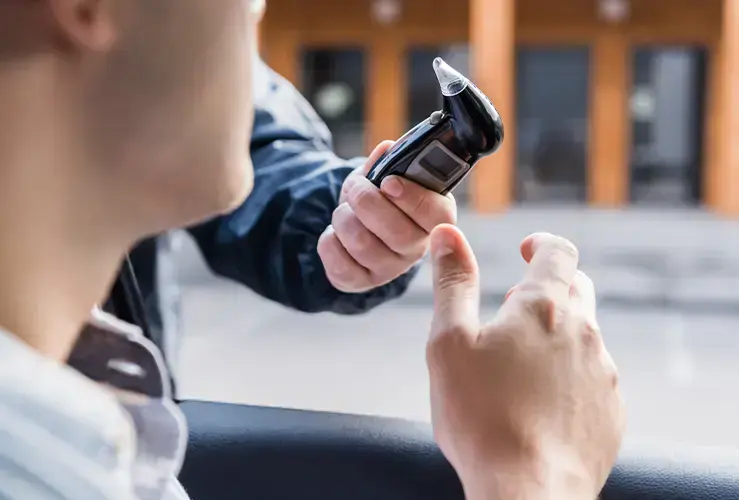
New laws on drink driving
England/Wales limits could go from 80mg to 50mg (as they are already in Scotland).
New drivers might face near-zero limits: this is one of the most significant proposed rules for new drivers in the UK.
Eye tests for older drivers
There may be mandatory eyesight tests for over-70s at licence renewal.
Tougher penalties for seatbelt and alcohol offences
Seatbelt offences could carry penalty points (not just fines).
Alcohol interlock devices for repeat drink drivers are being considered. An alcohol interlock (or alcolock) is a breathalyser device that is fitted to a vehicle’s ignition system (the car will only start if the driver passes).
UK rules of the road: Staying updated
It’s important to stay up to date with these new rules and laws for driving (as well as potential updates), while understanding the general rules of the road in the UK.