

- Winter weather causes reduced tyre pressure
- Under-inflated tyres increase braking distances by up to 25%
- Wrong tyre pressure affects handling, efficiency and wear
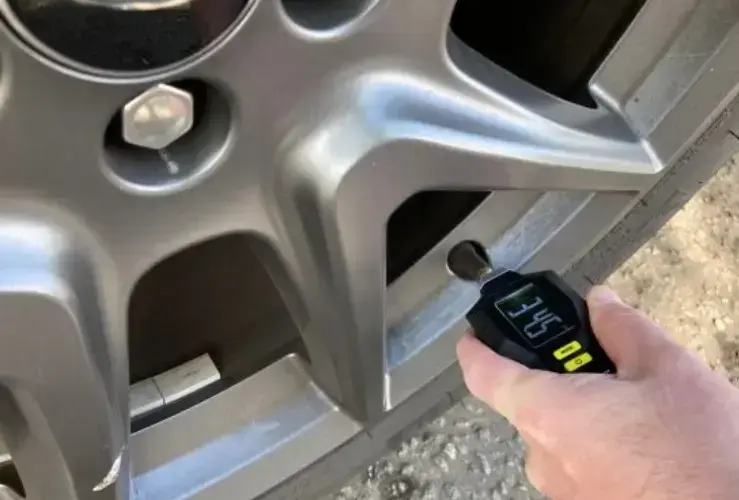
Drivers are being reminded to check tyre pressures as winter weather arrives to avoid unnecessary breakdown callouts and keep safely on the move.
Colder weather causes a drop in tyre pressure that affects acceleration, braking and steering. Underinflated tyres are also more at risk of suffering a puncture.
“Our data shows there was a 39% increase in callouts during the first quarter of 2026 during the coldest months compared with the third quarter of 2025,” says Lee Puffett, Managing Director of Start Rescue. “Tyre callouts now account for 17.4% of claims, so checking tyre pressures once a week is a vital way drivers can avoid preventable breakdowns.”
Tyre experts warn pressure can decrease by up to 4psi with a drop in temperature from 20°C to 0°C. If pressures are not checked and adjusted, this can lead to stopping distances increasing by as much as 25%. That equates to an extra 24-metres at 70mph – the length of two double decker buses.
Alongside regular tyre pressure checks, drivers are urged to inspect their tyres for sufficient tread depth and width, and to look for any damage to the sidewall and wheels to make winter driving as safe as possible.
Lee Puffett adds: “Under-inflated tyres are a risk no driver needs to take. Quick, simple checks minimise this risk and save motorists money as correctly inflated tyres wear evenly to last longer. Properly inflated tyres also maximise fuel efficiency and provide the best possible grip for all vehicles on winter roads.”
A top tip from Start Rescue for when it’s dark and you can’t clearly read the correct tyre pressures in your car’s handbook or door sticker: make a note on your phone or write them on a piece of paper to keep in the glovebox. When you need to adjust tyre pressures, you can quickly check the correct numbers, inflate and be on your way in minutes.
 Breakdown Cover from