


According to the Department for Transport (DfT), up to 7,000 farm and domestic animals are hit by vehicles each year, with other estimates being much higher. Learn how to avoid accidents involving animals, and what steps to take if you do face such a scenario.
Battery problems, running out of fuel, flat tyres… These are the kind of issues we often have in mind when we think ‘breakdown’.
Sadly, however, some breakdowns and driving incidents are caused by animals on the road.
Wild, farm and domestic animals can move into the path of vehicles, often resulting in the injury or death of the animals.
Moreover, animal car accidents put the lives of human road users at risk, too.
In this article we’ll explore scenarios and settings with the highest animal collision risks, and what you should do if you hit an animal.
Animal road accidents: Common scenarios
Incidents of animals getting hit by cars might well be higher than you think, with between 6,000 and 7,000 incidents each year, according to the DfT. These mainly involve larger animals like horses, deer and livestock.
However, reliable figures are not easy to come by. For example, the British Deer Society states there are more than 50,000 deer-rated incidents annually, while thousands of pet-related collisions go unreported annually.
Whatever the actual stats, it’s certainly a big issue. From a fox darting across a country lane to a deer leaping onto a motorway, animal road accidents can happen anytime - and to a degree, anywhere.
Sadly, animals hit by cars may not survive, which can be deeply upsetting for many drivers - especially if it was someone’s pet.
Additionally, the impact can cause serious vehicle damage.
Safety Tips
Here’s some practical advice for avoiding animal-related breakdowns.
Stay alert during dawn and dusk
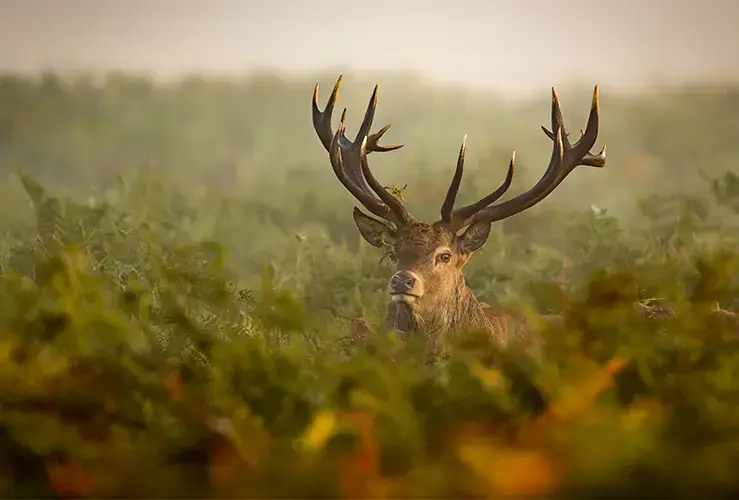
It is of course more difficult to spot animals on the road in low-light conditions. But the problem is compounded by the fact that many animals are more active at dawn and dusk (this is known as crepuscular behaviour). The UK has many ‘crepuscular’ animals, including foxes, badgers, deer, hares and rabbits. Most animal collisions take place between 5am - 7am, and 5pm - 9pm, so be extra aware during these hours.
Use high beams responsibly
High beams can dazzle animals, causing them to stop in the road (for example, when crossing). But high beams can also cause visibility issues for oncoming traffic, too.
The key here is to balance illumination with caution: use your high beams when there’s no oncoming traffic and be ready to dip or flash to avoid startling animals directly.
Slow down in animal-prone areas
If you’re near hedgerows or wooded areas, keep your speed down and be extra alert for animals near the roadside.
Practicing good animals-on-the-road safety can prevent accidents caused by animals. Being fully aware of potential hazards reduces the risk of animal collisions and animal road traffic accidents.
What to do if you do hit an animal
According to the Royal Society for the Prevention of Accidents (RoSPA), around 1 in 6 drivers will hit a wild or farm animal at some point in their driving lives. If incidents involving domestic animals are factored in, around 25% of drivers are likely to hit an animal at some point.
With this in mind, it's important to know what to do if you do hit an animal, both legally and ethically.
First of all, pull over somewhere safe and put your hazard lights on. Then determine if any of your vehicle's occupants have been hurt (and call 999 if there’s a human medical emergency).
If you’ve hit any of the following animals, you’ll need to inform the police (call 111, not 999):
- Dogs
- Cattle
- Goats
- Sheep
- Horses
- Pigs
- Donkeys
- Mules
If the animal is particularly large, and is blocking the road, then it’s even more critical that law enforcement is promptly informed.
Next, you should carefully assess the situation. Is the animal dead or injured? Is it possible (or safe) to move the animal away from the road? Some injured animals may bite or scratch.
You can call the following organisations, who will be able to advise you on what to do. They, and/or the police, may come out to the location.
- England and Wales: RSPCA on 0300 1234 999
- Scotland: SSPCA on 03000 999 999
- Northern Ireland: USPCA on 028 3025 1000
Even if the animal in question is not on the list above, you might be able to save the life of a smaller animal (badger, fox etc) if you call an animal charity.
Do you have to report hitting a cat?
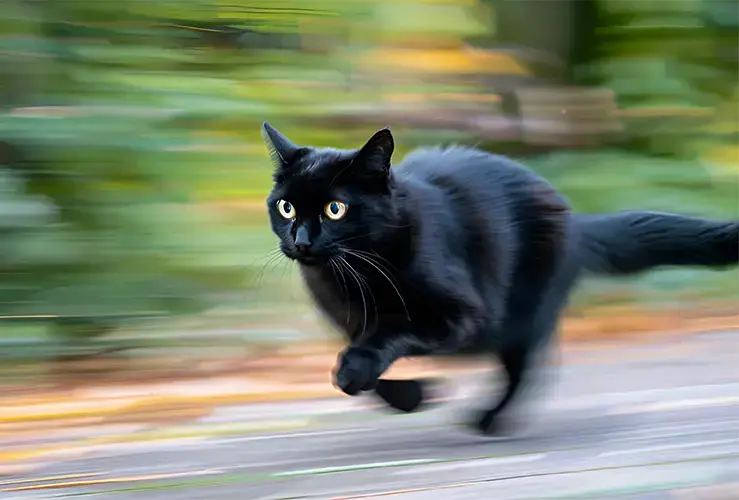
While there is no legal obligation to tell any particular organisation or entity if you hit a cat, it is still advisable to tell the police or knock on nearby doors to determine the owner.
If the cat is injured, you could take it to a vet; acting fast could save the life of a beloved family pet.
Even minor animal road accidents should be reported to authorities when road killed animals or domestic pets are involved.
What about insurance claims?
If your vehicle has been damaged, you should contact your insurer. They will aim to determine liability, if possible. For example, if you hit a sheep, the sheep’s owner may be held liable (if it was the sheep’s “fault’). However, since wild animals like foxes and badgers are not owned by anyone, insurance providers may decide that no entity was at fault.
Prevention and vehicle preparedness
Various technologies and measures can be implemented in order to minimise the possibility of hitting an animal.
Driver-assist systems for wildlife detection
Some modern cars have tech that can detect the presence of animals, using technologies like thermal and infrared imaging, lidar and radar. This sort of technology is most effective with larger animals like deer and horses, as opposed to badgers, foxes and rabbits.
Examples include: Mercedes-Benz Night View Assist Plus; Volvo City Safety with Animal Detection.
Road signage awareness
Keep an eye out for signs telling you that animals may be nearby.
What about emergency kits for unexpected breakdowns?
When nature strikes and animals on the road cause sudden incidents, being prepared can make all the difference. With this in mind, a complete and well-stocked emergency kit helps to ensure both your safety, and that of others.
Essential items include a hi-vis vest and warning triangle to stay visible, a flashlight for help to deal with night-time animal collisions, and thick gloves for safely handling road-killed animals if necessary (preventing bites and scratches).
Including basic tools like a car jack, wheel brace, jumper cables, and a tow rope can be very useful for minor breakdowns. But don’t forget a first aid kit, blanket, water, and snacks, which are especially important if you’re driving in remote or rural areas. Being able to communicate is key in any situation: keep a charged mobile phone, car charger, and emergency contacts handy, alongside GPS or offline maps.
Check your kit and match it to the season
Regularly checking your kit and tailoring it to the season ensures you’re ready for any animal car accidents or unexpected roadside issues.
Awareness of animals on the road can turn a potential animal road accident into a near-miss.
Final thoughts
While we can’t really control when an animal crosses in front of us, understanding the risks of animals on the road and taking preventive measures helps to ensure that even unexpected animal collisions don’t end in disaster - either for the animal, or you.